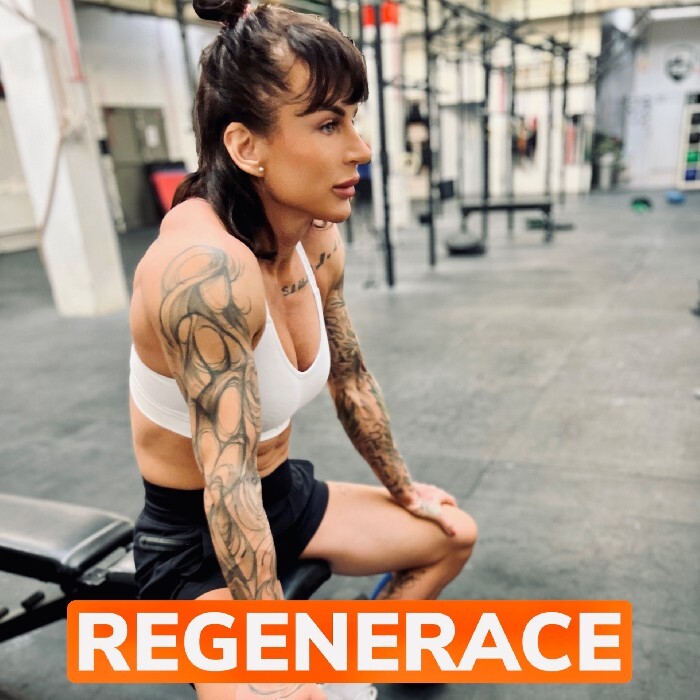
Make time for recovery after exercise – it pays off
Do you run, cycle or play another sport regularly? Then you should make time to recover your muscles and your whole body. Especially as you get older. Combining careful stretching before exercise with proper recovery afterwards leads to better performance, prevents unnecessary injuries and extends the life of the parts you load the most. Here's how.
Active or passive recovery
Sports recovery can be active or passive. Recreational athletes mostly use passive recovery, which means rest: sleep, massage or a sauna. Elite athletes use active recovery, based on physical activity at a low heart rate. For runners that might mean slow walking, which helps flush waste products from the muscles.
Recovery should match the demands of the activity
How you recover depends on the type and intensity of your training. If you're a runner training at a moderate heart rate without heavily loading your muscles, you don't need to recover after every session. Still, it's good to give your body rest and recovery. Athletes who train intensely should recover after every hard session.
The foundation of recovery is sleep. It's individual – we all need something slightly different. Experts agree, though, that a good mattress and at least 6 hours of sleep are the basics. Good sleep hygiene should be a given: no alcohol or coffee before bed, no big discussions and no phone.
Recovery tools
Special tools help with recovery, for hobby athletes and pros alike. The minimum every athlete can do is stretch on a good mat. You don't need anything else, just a bit of space. Foam rollers and massage balls are very popular for releasing loaded muscles. Many athletes also use resistance bands before and after training – a proven way to warm up and stretch the whole body.
Tip: Besides tools, tinctures, massage oils and gels can also help you recover. There's growing positive experience with CBD for recovery after exercise.
Food and recovery
The right food after exercise speeds up recovery and helps you maintain performance. Your post-workout meal is the most important meal of the day for any athlete. Why does it matter so much?
- It replenishes the energy you used during exercise.
- It provides essential vitamins and nutrients for growth.
- It supplies protein, which you need for protein synthesis and muscle repair.
Protein is the key nutrient for muscle recovery. The body breaks it down into amino acids, the building blocks of muscle fibres. Exercise puts muscles under stress – we want them to get stronger, grow and become more resilient. The longer we train, the higher the risk of muscle damage and the greater the need for protein. Without it, the body can't recover.
Did you know your post-workout meal should contain around 20–40 g of protein? Try eggs, quark, legumes, meat or a protein shake.
During intense exercise, muscles use muscle glycogen for energy, which is made from glucose. Glucose comes from carbohydrates, so topping them up makes sense too. After training is one of the few times you can enjoy carbs guilt-free. Complex carbs with more fibre and fruit are ideal – pineapple, apple, banana, oats, quinoa and more. How about a smoothie?
Hydration and the risk of overheating
Sweat is part of every physical activity. Your body naturally heats up as you move and sweat protects you from overheating. To help, choose the right clothing – forget 100% cotton. Technical sportswear wicks sweat away from your body and keeps you comfortable.
Tip: Support your body's internal recovery after exercise too. Amino acids are a good choice.
Sweating means losing fluids you need to replace. Even if you're not thirsty, regular drinking helps. Before an intense session, try electrolyte drinks – they help your muscles recover faster. For easier sessions, still water is best.
Test what your body needs most. There's no rule that what works for your training partner will work for you. Above all, don't underestimate recovery – treat it as an investment in your future. Your body will thank you in the long run.
Recovery supplements: Insidefit.