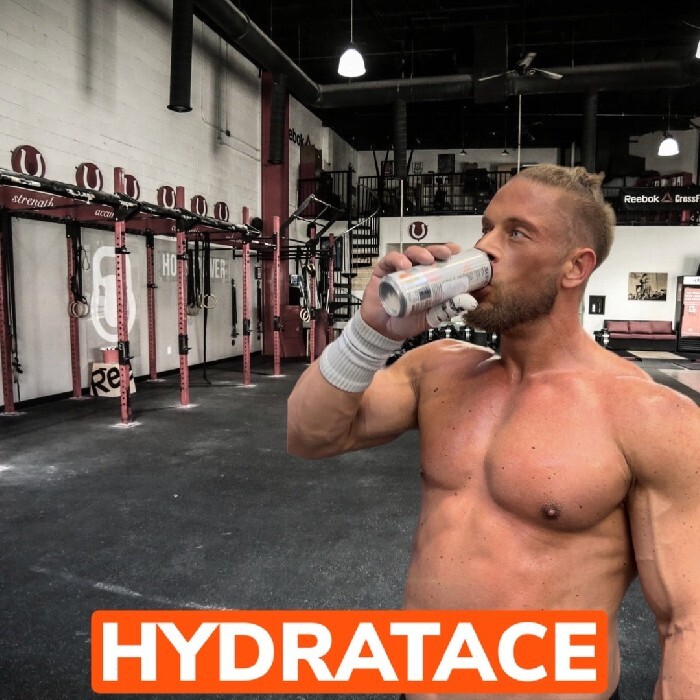
Hydration is the most important nutrition topic for endurance athletes. You can't train your body to cope with a lack of fluids, and even a small drop in body water can affect your performance.
You need to drink even when you're not training. But during endurance sports you lose many times more fluid. At rest we're talking tens of millilitres an hour; running or cycling it's over a litre, and cross-country skiing up to a litre and a half.
Trained athletes also sweat more than untrained people. It's an adaptation to the need to cool an overheating body. With frequent exercise the body holds more fluid, the sweating surface grows and sweat glands produce more sweat – all so cooling works as well as possible.
Losing sweat is a problem hydration solves
We sweat during exercise regardless of how much we drink, because sweating is a key cooling mechanism. When the body loses a lot of sweat, the blood thickens, which can lead to muscle cramps. If you keep the intensity high and don't replace enough fluid, the body starts producing less sweat (to avoid thickening the blood further) and sending less blood to the skin (to keep blood for vital organs, especially the brain and heart). Less sweat and less blood flow to the skin reduce your ability to cool down, and body temperature can climb above 41 °C with a risk of heatstroke.
Athletes who drink enough during exercise don't experience these effects, or only in a much milder form. Fluids help regulate core temperature not only indirectly through sweating but also directly – a cool drink cools the body from the inside.
Drink for races but not for training?
A common myth is that you only need to drink in races. In fact you need more fluid in training than in races. Sessions are often longer, they're regular (so a fluid deficit is common) and we don't prepare for them as carefully as for a race. More frequent and heavier sweating, especially in the heat, can lead to significant water and mineral loss within a few training days – and lower performance.
- Drink regularly and often throughout the day. Think about hydration 2–3 hours before exercise, when you should drink about 500–600 ml of water or a sports drink.
- In the last hour before exercise, drink only plain, unsweetened still water – in small sips, but often.
- During exercise choose a hypotonic electrolyte drink – it matches your body's needs for energy (carbohydrates), minerals lost in sweat (nerve signalling in muscles) and optimal absorption.
- Keep drinking during recovery. Start right after training or racing (a recovery drink is ideal) and keep topping up regularly for several hours.
Recommended hydration supplements
QNT Recovery Powder
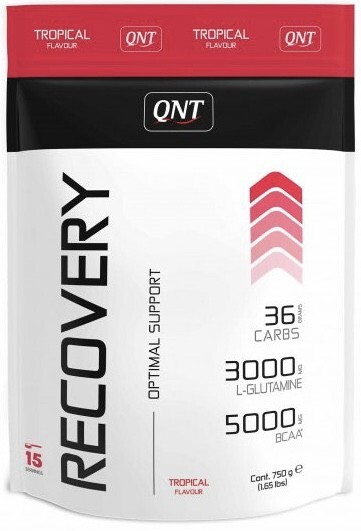
A high-quality carbohydrate blend to refill depleted glycogen, enriched with 5000 mg BCAA and 3000 mg L-glutamine per serving. A refreshing recovery drink for fast, effective recovery after intense exercise, in a tropical flavour.
QNT Energy Powder
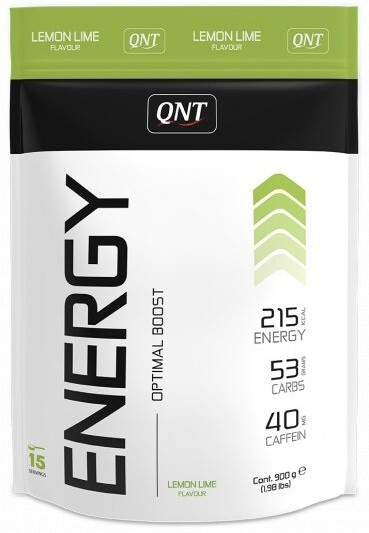
A high-quality carbohydrate blend for endurance performance. Helps maintain normal blood glucose during training and replenishes muscle glycogen. A carb load that boosts endurance and performance in long sessions.
QNT Isotonic Powder
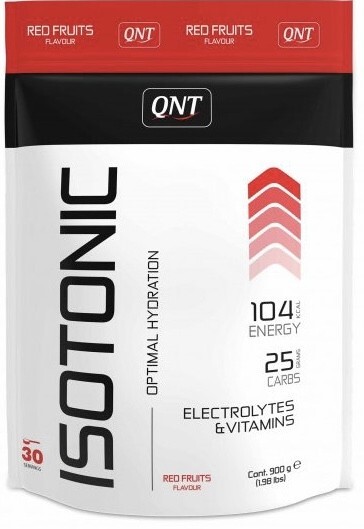
A refreshing isotonic drink that restores energy and replaces nutrients lost in hard training with fast-acting carbs and minerals. 25 g of carbs per serving, enriched with vitamins and minerals, in two flavours: lemon-lime and forest fruits.